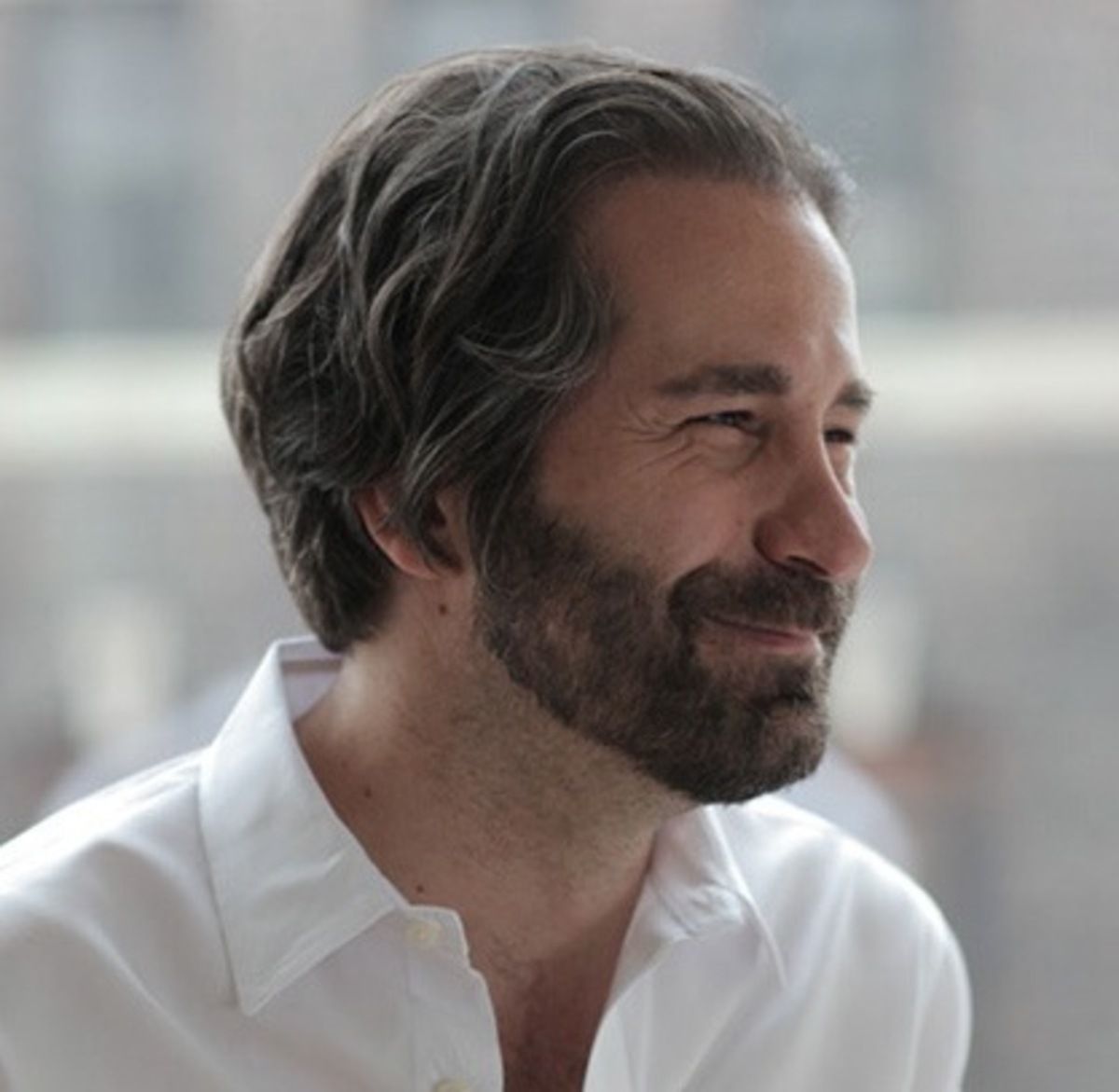
I’m Alan Chapell. Over the past 20+ years, I’ve been outside privacy counsel to hundreds of digital media companies and write a monthly syndicated report called The Chapell Regulatory Insider. I’m also a regulatory analyst for The Monopoly Report.
The latest Monopoly Report podcast! This week, we’ve published Alan’s fireside chat with FTC Commissioner Mark Meador at Marketecture Live. This is a must-listen interview if you’re looking to better understand how the FTC is looking at privacy and competition in the ads space.

There ain’t no casino like the ads casino.
$100 Billion in Advertising Revenue by 2030
By now, you’ve probably read the report from Axios that “OpenAI expects to generate $2.5 billion in ad revenue this year and $100 billion by 2030.” Per that report, OpenAI has told investors to expect the following in ad revenues:
$2.5 billion in 2026
$11 billion in 2027
$25 billion in 2028
$53 billion by 2029
OpenAI would have us believe that it can go from about zero to nearly $2 billion in ad revenue per quarter in somewhere around 18-20 months. That would certainly be an impressive feat — one that means OpenAI has beaten the growth trajectory of a bunch of companies. Here’s a comparison chart.

Anything is possible, but…
The smart folks at eMarketer indicated that OpenAI’s ad goal “doesn’t feel impossible” given that it “only” requires that OpenAI capture “7.7% of the projected $1.3 trillion in global digital ad spend.”
To be clear: My skepticism isn’t based on the share of the ad market that OpenAI might ultimately possess. Rather, I’m focused on the trajectory required. It might be possible, but it would require zero mistakes from OpenAI. You might compare this to the accomplishment of pitching a perfect game in the World Series — except here, the pitcher is still learning how to throw a curveball.
Not to name drop, but even the great AdTechGod might have trouble making it happen on this schedule.
What does OpenAI need to succeed in the ads space?
A few things come to mind:
OpenAI will need an extremely laissez faire U.S. Administration so as to ensure that regulation doesn’t get in OpenAI’s way should it need to be more aggressive, such as running ads against sensitive personal info. (BTW, the tone might be very different after the U.S. mid-term elections.)
It will need to execute on ads quickly and in a nearly mistake-free way.
It will need to make sure that its core offering remains competitive so that it maintains (and ideally grows) its user base.
It will need to deftly balance the tension between user expectations and advertiser expectations at a time when neither users nor advertisers are exactly locked into OpenAI.
And it’ll do this without compromising its principles?
You might have seen this post from Fidji Simo of OpenAI that included the following statements in connection with the launch of the OpenAI advertising solution:
“Ads do not influence the answers ChatGPT gives you.”
“We keep your conversations with ChatGPT private from advertisers, and we never sell your data to advertisers.”
I’m under no illusion that the above constitutes an actual promise from OpenAI. And I’m fairly confident that if/when we look back on Fidji Simo’s statements a decade from now, we’ll see that OpenAI transitioned away from the above principles.
But OpenAI has a bit of a trajectory issue here as well. Enshittification takes time — and generally only works after users and businesses are locked into a particular service.
By way of comparison, Google took over a quarter century to evolve its north star from being mostly user focused (i.e., “don’t be evil”) to being mostly Google focused (i.e., always do what’s best for Google). And Google mostly evolved long after users, advertising, and publishers were locked in.
OpenAI needs to move fast — and it needs to accomplish all of this prior any of its core constituencies being locked in. That’s the core problem for OpenAI.

Are these goals all just a distraction?
Just a few weeks ago, it seemed like many were characterizing OpenAI as a company in financial peril. Here was the snapshot as of mid-February 2026:
Rumors of a maneuver toward an eventual request for a U.S. government bailout
Mounting evidence that OpenAI no longer has a technical lead over its rivals like Google (as signaled by Sam Altman’s code red in 2025)
Investments from both Microsoft and Nvidia under scrutiny as the companies appear over-reliant on each other
Deutsche Bank estimate of $143 billion in cumulative negative cash flow before the company turns profitable
OpenAI's paying subscribers represent just 5-6% of its user base, which is forcing the company to explore additional revenue sources
George Nobel’s observation that the company might be “FALLING APART IN REAL TIME”
I’m not sure that the financial picture is much rosier now that we’re into Q2 of 2026. Perhaps this is all just an attempt to change the conversation.
How does this all play out?
OpenAI is bleeding money. Smart folks on the investment side are already pointing to signs that the company is on the verge of imploding. In my view, OpenAI has roughly 18 months to create a viable ads business — or at least make enough progress so that investors keep putting money in.
But OpenAI has a “cold start” problem. It takes time to scale an ads business starting from scratch. It’ll make mistakes. It won’t always hire the right people. And it’ll be under pressure from advertisers to be far less user centric in its approach to ads. And it’ll need to remain competitive with Anthropic and others so it doesn’t further lose market share.
I’m not saying it’s impossible. But holy hell, that’s a big ask.
____________________________________________________________________________
If there’s an area that you want to see covered on these pages, if you agree or disagree with something I’ve written, if you want to tell me you dig my music, or if you just want to yell at me, please reach out on LinkedIn or in the comments below.
Miami, get ready. We’re bringing the heat.
For the third straight year, Marketecture Media is heading back to POSSIBLE, and we’re showing up bigger, louder, and more dialed in than ever.
We’re coming to capture the moments that matter by filming powerful conversations and creating the kind of content that keeps the industry talking long after the Miami sun sets.
This year we’re recording high-impact interviews on site, hosting curated gatherings with the right people in the room, and yes, the AdTechGod event is back!
If you want to plug into the energy and partner with us at POSSIBLE, drop your info in the form in the comments.
